Aerobic Septic Maintenance Schedule
Aerobic septic maintenance schedules are essential for ensuring optimal system performance and longevity. Proper timing can prevent system failures, reduce repair costs, and maintain compliance with local regulations. Regular maintenance is recommended at specific intervals based on usage, system size, and environmental conditions.
Perform maintenance in spring and fall to prepare the system for peak usage and to address seasonal environmental impacts.
Schedule maintenance shortly after installation to ensure proper setup and functioning of the aerobic system.
An annual inspection helps identify potential issues early and ensures the system operates efficiently throughout the year.
Conduct maintenance before periods of increased water use, such as holidays or large gatherings, to prevent system overloads.
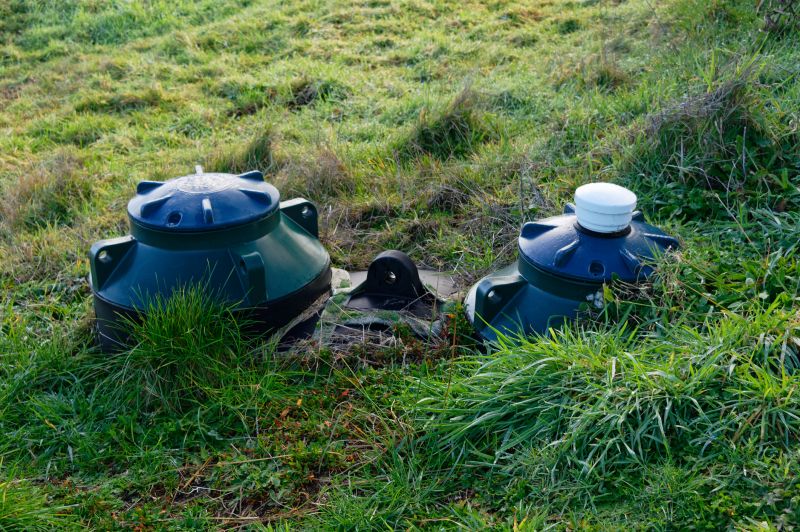
Routine inspections help maintain system health and prevent costly repairs.
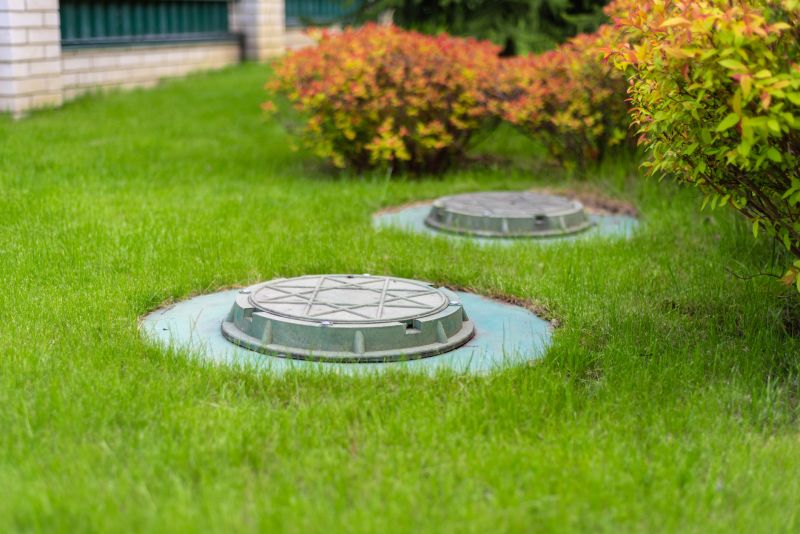
Ensuring pumps and aerators are functioning properly is vital for system efficiency.
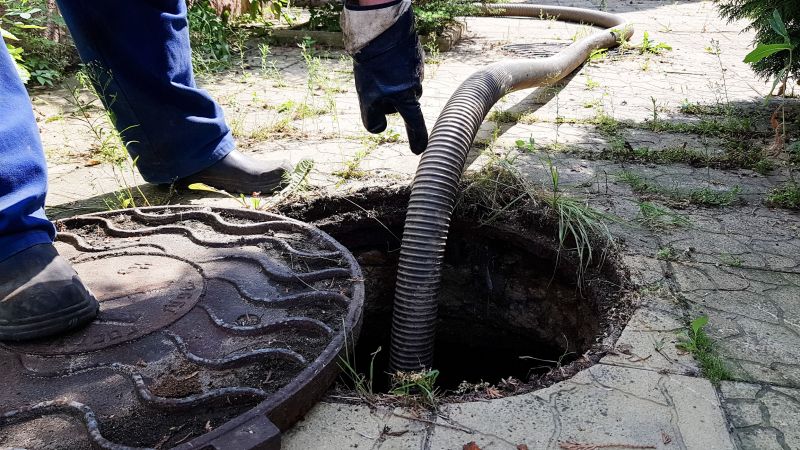
Regular cleaning prevents buildup and prolongs system lifespan.
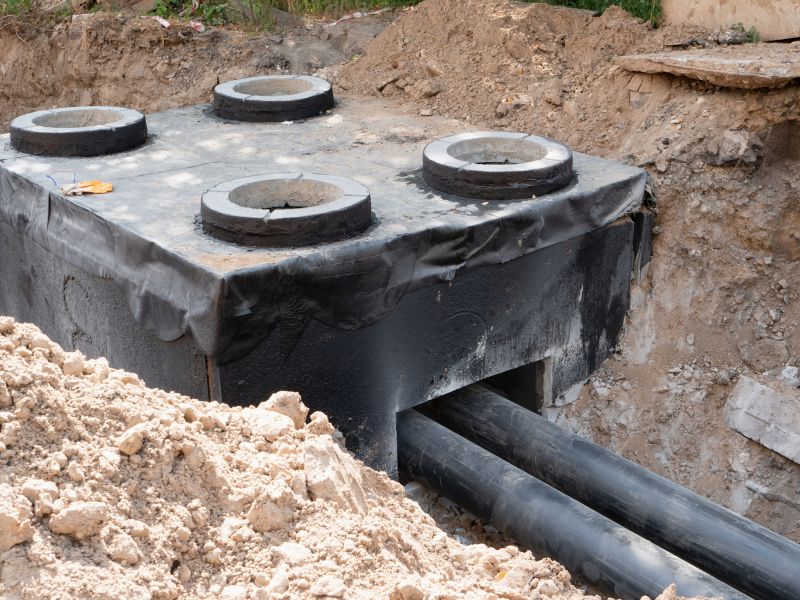
Ways to make Aerobic Septic Maintenances work in tight or awkward layouts.
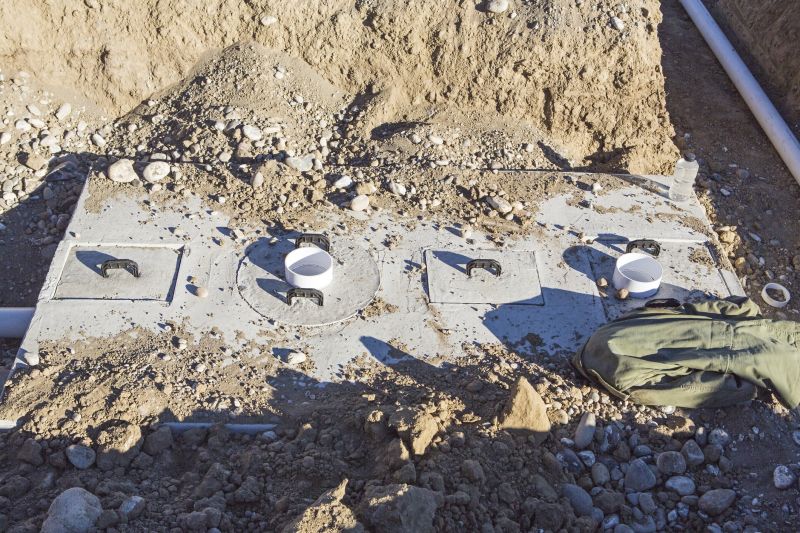
Popular materials for Aerobic Septic Maintenances and why they hold up over time.
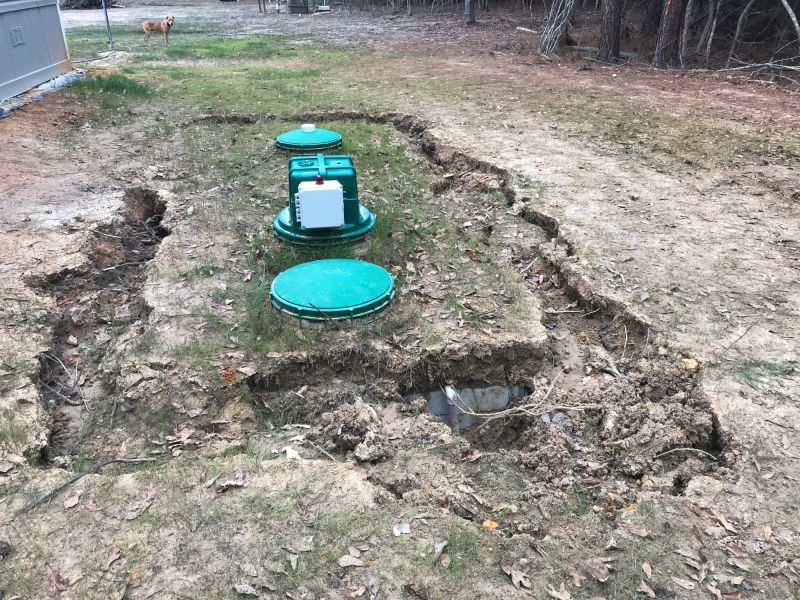
Simple add-ons that improve Aerobic Septic Maintenances without blowing the budget.
| Maintenance Activity | Recommended Timing |
|---|---|
| System Inspection | Annually |
| Pump and Aerator Check | Every 6-12 months |
| Tank Cleaning | Every 1-3 years |
| Bacterial Additive Application | Quarterly |
| Post-Storm Inspection | After severe weather |
Aerobic septic systems utilize oxygen-using bacteria to break down waste more efficiently than traditional systems. Proper maintenance ensures these bacteria remain active and the system functions optimally. Statistics indicate that regular upkeep can extend system lifespan by several years and reduce the likelihood of malfunctions. Maintenance tasks include inspecting pumps and aerators, cleaning tanks, and applying bacterial additives to sustain biological activity.
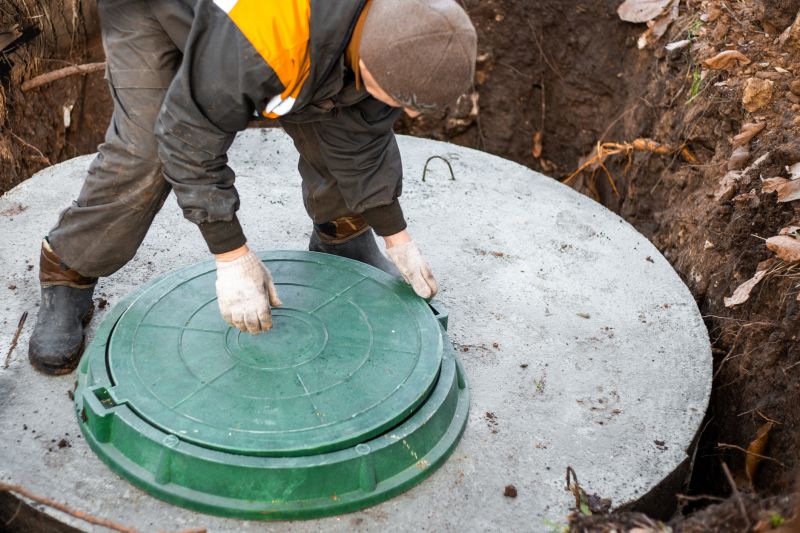
Key parts include the aerator, pump, and treatment tank.
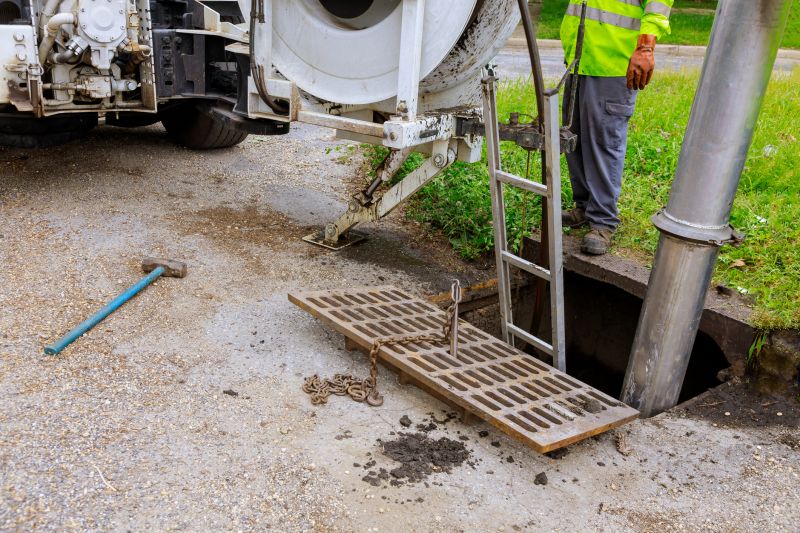
Tools and supplies used for routine upkeep and repairs.

Monitoring devices help track system performance and detect issues early.
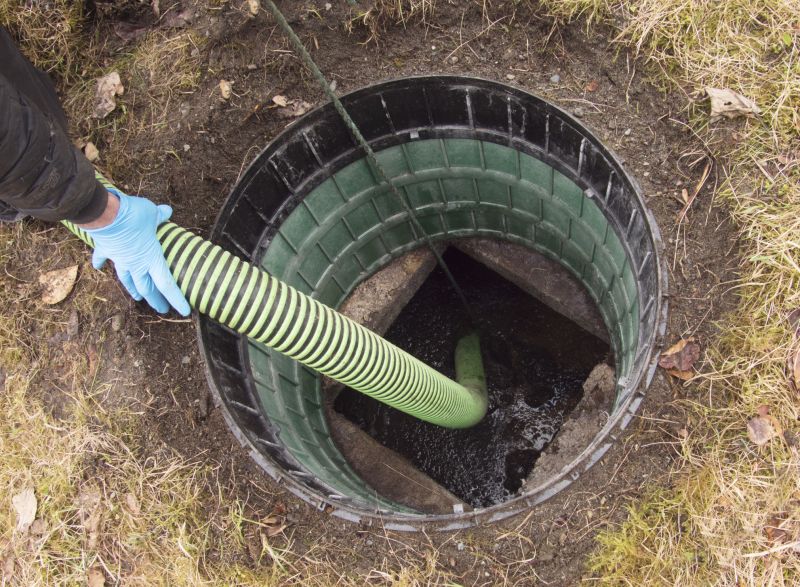
Bacterial additives are essential for maintaining biological activity.
Interested parties should consider scheduling regular maintenance to ensure system efficiency and compliance. Filling out the contact form can provide tailored recommendations and support for maintaining aerobic septic systems effectively.